



Dermal fillers
Explore options for lips, cheeks, chin, jawline and temples with Carolina. Start with an assessment of your features and the changes you want.
Dermal fillers can add volume to selected facial areas. Discuss your lips, cheeks or contours with Carolina and review a treatment plan suited to your goals.
How dermal fillers work
Over time the face gradually loses some of the volume and support that shapes the cheeks, lips, jaw and temples. Dermal fillers are smooth gels placed beneath the skin to restore volume, add shape or soften folds, with no incisions or surgery. Most modern fillers are made from hyaluronic acid, a sugar your skin already makes that holds on to water.
Where filler can help
Lips, cheeks, chin, jawline, temples and the folds that run from the nose to the corners of the mouth. Carolina looks at your face as a whole first, because a small change in one area can bring balance to another. Thinking about lips? See lip filler.
Your appointment
Carolina starts with an assessment and agrees the product, amount and placement with you, along with the full price, before anything is injected. Many fillers contain a local anesthetic, and numbing cream can be used for comfort. You'll usually see a difference straight away.
Recovery and results
Swelling, tenderness and bruising are common for a few days, so leave time before an event. Your result settles as the swelling goes down. How long filler lasts depends on the product, the area and how your body breaks it down, from several months to a couple of years. Carolina will tell you what to expect for the product she recommends.
Pairs well with
Filler adds volume; it doesn't relax the muscles behind expression lines. For those, see Botox or Dysport. Men are welcome too: see treatments for men.
Volume, shape and balance.
Where would you like more definition?
Explore the options below, then bring your questions to your appointment.
Pricing
$750 per syringe
Lips
What to know
Choose your priorities for lip treatment.
Discuss volume, shape, symmetry or definition at the lip border. Your provider can explain the proposed amount, expected swelling, recovery and follow-up.
Cheeks
What to know
Review cheek volume and contour.
Share the changes you have noticed and the result you want. An assessment helps determine the product, placement and amount of filler that may be appropriate.
Nasolabial folds
What to know
Discuss changes around the mouth.
These folds run from the nose toward the corners of the mouth. Your provider can assess the surrounding facial structure and explain treatment options and limitations.
Chin
What to know
Explore your profile and proportions.
Discuss the chin shape or definition you want to address. Your provider can assess your facial balance and explain whether filler is appropriate.
Temples
What to know
Hollowing at the sides of the forehead.
Volume at the temples can change over time. Carolina can assess your upper face as a whole and explain whether filler suits the area, how much and the recovery.
Jawline
What to know
Definition along the jaw.
Share the shape you want along your jaw and chin. Carolina can assess your profile and facial balance and explain the amount and placement.
Treatment suitability and results vary. A clinical assessment comes first.
Before and after
Before you book
Before your filler appointment.
Review the treatment, pricing and next steps below.
Discuss the areas you want to treat
Your assessment focuses on your features and goals. Product choice and placement depend on the areas being considered.
Review the proposed cost
Fillers are priced by the syringe. Confirm the product, syringe count and full price before agreeing to treatment.
Plan for recovery
Swelling and bruising can occur. Share upcoming events and ask about recovery, follow-up and the risks relevant to your treatment.
How does
Dermal Fillers
compare with other treatments?
Other options
Considering a collagen-building option instead of filler? Ask Carolina how the approaches differ for your goals and budget.
Other treatment approaches
If your concern is volume, skin texture, or a different type of line, ask whether another treatment would be more appropriate.
Ready when you are.
Book this treatment directly. If you would rather ask a few questions first, the consult is just below.
Before & after
Filler before & after
Explore results across different treatment areas. Your practitioner can help you understand what may be possible for you.
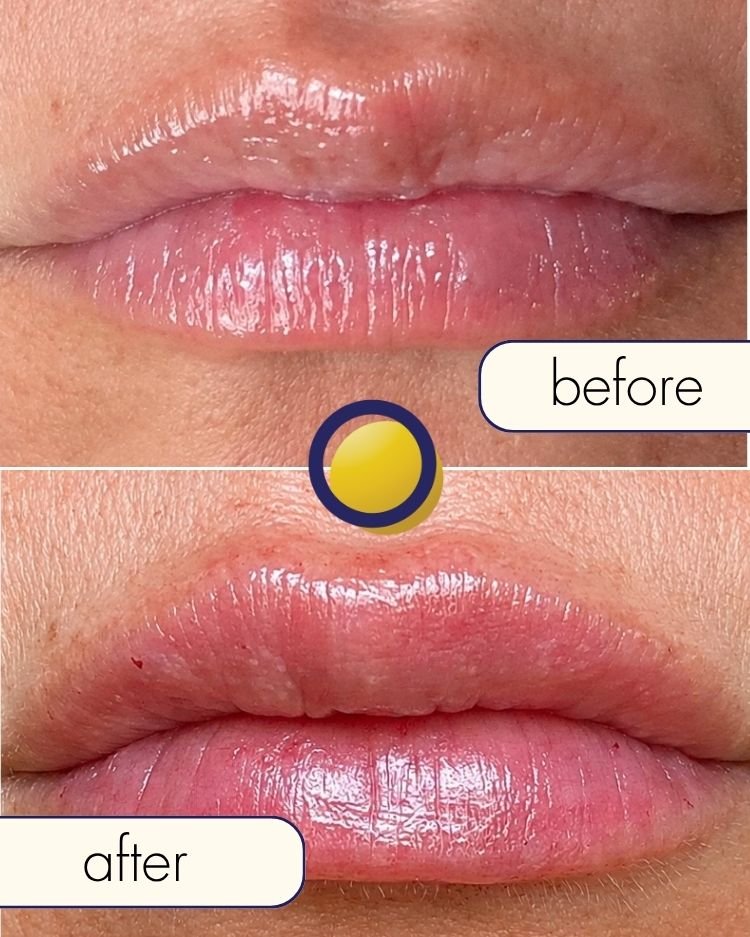
Lip volume
Wellness Reeset patient, photographed at the practice and shared with permission. Dermal filler to the lips.
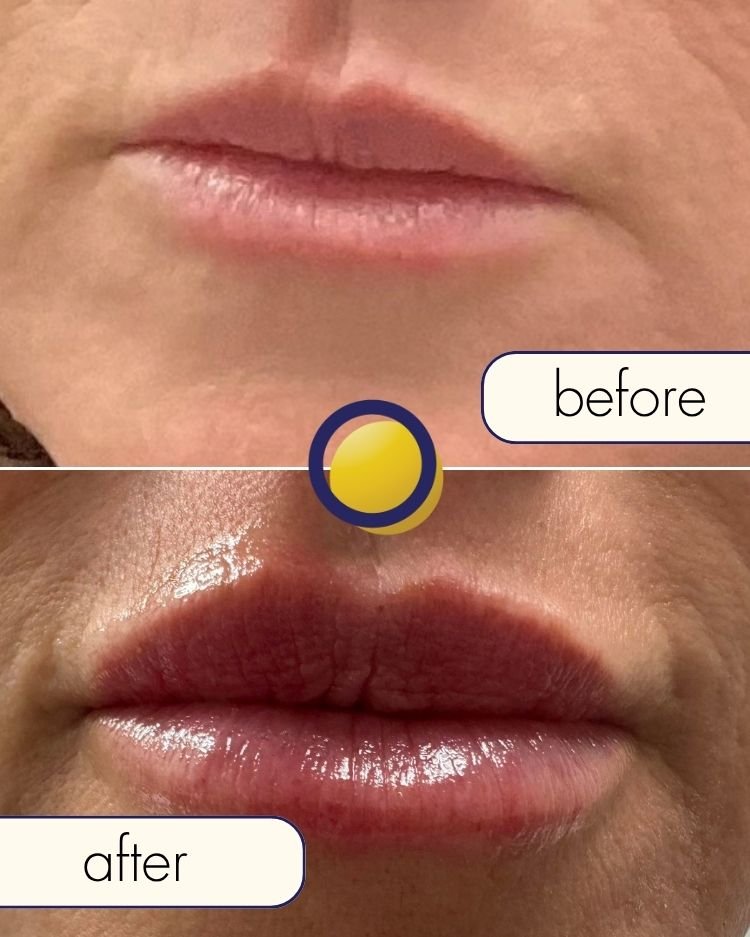
Lip shape
Wellness Reeset patient, photographed at the practice and shared with permission. Dermal filler to the lips.
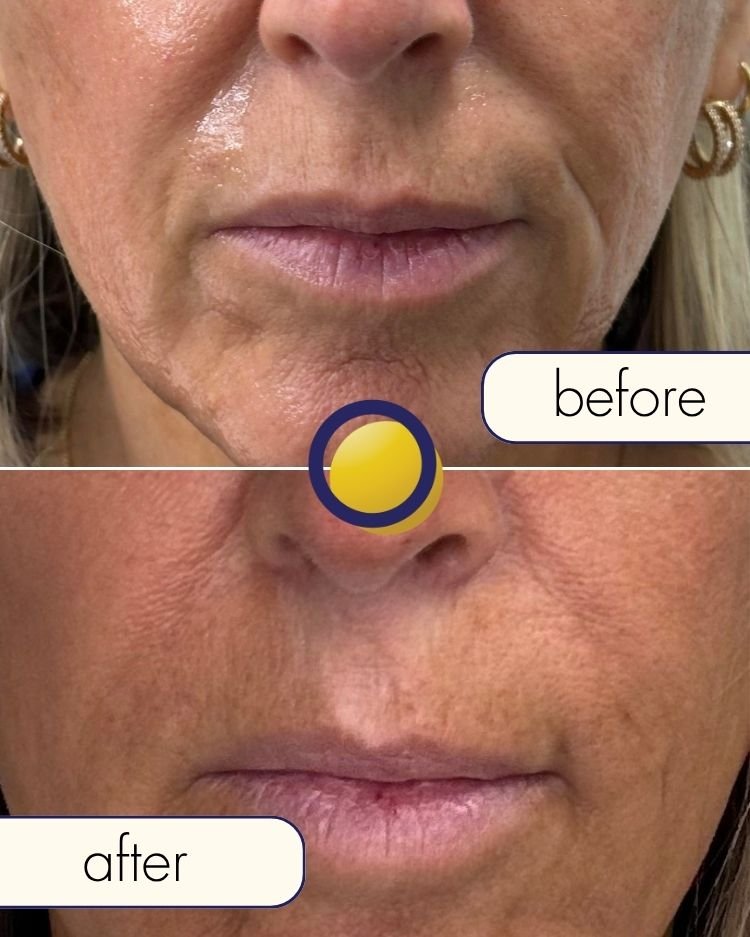
Nasolabial folds
Wellness Reeset patient, photographed at the practice and shared with permission. Dermal filler to the nasolabial folds.
Individual results vary. Your practitioner will assess your goals and explain what may be appropriate for you.
Discuss your goals — book a 15-minute phone consult ↗


GOOGLE REVIEWS
What patients say about The Wellness Reeset
Experiences shared by patients across our practice. Individual experiences and treatment results vary.
First time? Start here.
A little conversation.
A lot more clarity.
Take 15 minutes to ask about
Dermal Fillers
, pricing, or your first visit. No need to have it all figured out.

Your questions, answered
How do I choose an area to treat?
Start with the change you want to make. Carolina can assess your face as a whole and discuss whether treating your lips, cheeks, chin, jawline, temples or another area is right for you.
What is dermal filler made of?
Most modern fillers are made from hyaluronic acid, a sugar your skin already makes. Ask Carolina which product she recommends for your area and why.
Will it look natural?
Tell Carolina the look you want and the look you want to avoid. The plan is built around your proportions, and you can start with a smaller amount and build up over time.
How much filler will I need?
The amount depends on the area, product, your anatomy and goals. Ask for the proposed number of syringes and total cost before treatment.
What is the price?
The current listing is $750 per syringe. Your total depends on the amount recommended at your assessment.
Can I pay over time?
Yes. The Wellness Reeset offers payment plans through Cherry, so you can spread the cost of dermal filler into monthly payments. Checking your options won't affect your credit score, and terms and approval come from Cherry. See Cherry financing, or ask us when you book.
Does it hurt?
Many fillers contain a local anesthetic, and numbing cream can be used. Most people describe pressure and a pinch. Tell Carolina if you are nervous about needles.
When will I see results?
You'll usually see a difference straight away. Swelling can make the area look fuller at first, and your result settles over the following days to two weeks.
How long does filler last?
It depends on the product, the area and how your body breaks it down, from several months to a couple of years. Carolina will tell you what to expect for the product she recommends.
Will I have swelling or bruising?
Swelling, tenderness and bruising can occur. Allow recovery time before an event and follow the aftercare instructions given for your treatment.
Can I combine filler with Botox?
Often, yes. Filler adds volume, while Botox relaxes the muscles behind movement lines. Ask Carolina whether combining them, at the same visit or separately, suits your plan.
What risks should I discuss?
Ask about common side effects, less common serious complications, warning signs and how the practice manages complications. Share previous filler history and any relevant medical conditions.